Blog
How Many People Are Human Trafficked a Year?

Human Trafficking Is a Hidden Crisis Happening in Plain Sight
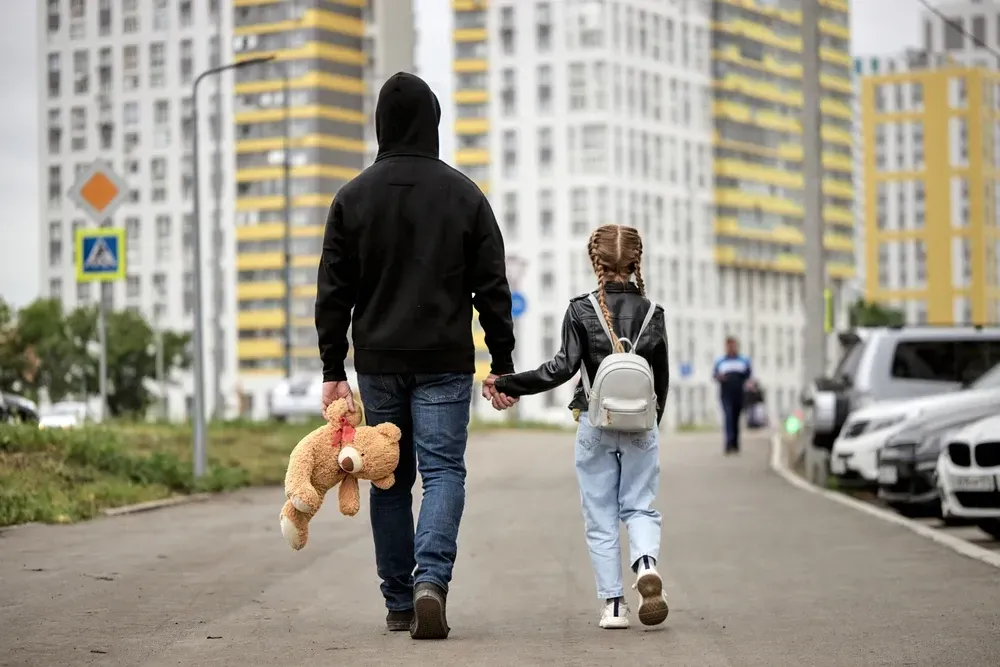
Human trafficking is often discussed as a hidden crime, but the reality is more complicated. Exploitation frequently occurs in places people pass through every day, including hotels, restaurants, transportation systems, workplaces, and residential communities.
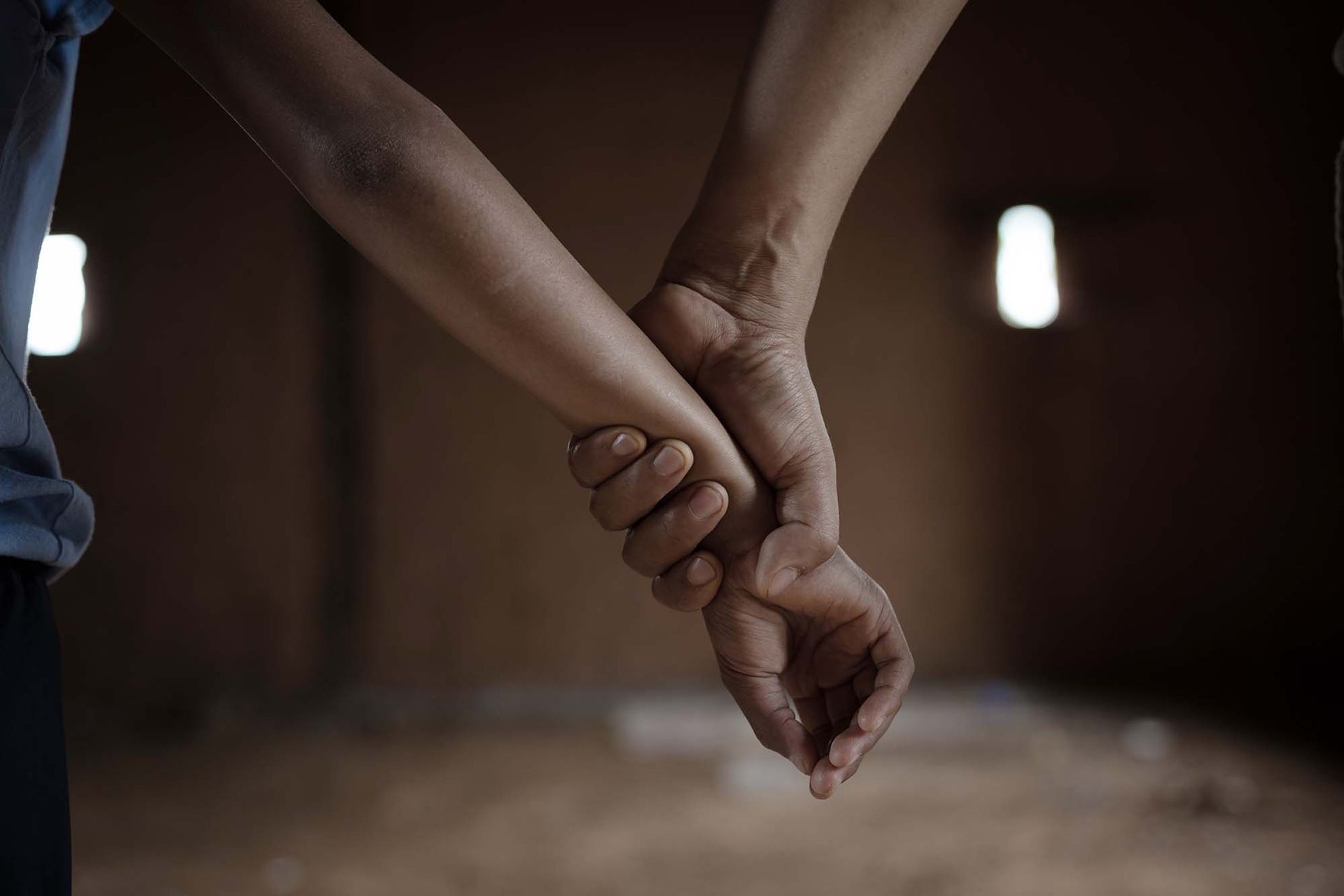
Trafficking can take many forms, including sex trafficking, labor exploitation, and child trafficking. While circumstances vary, these situations often involve control, dependency, manipulation, or exploitation that limits an individual’s ability to safely leave.
One of the reasons trafficking remains a global crisis is that it often blends into ordinary environments. Many victims of human trafficking interact with members of the public, businesses, healthcare providers, and transportation workers without being recognized as individuals in need of support.
This invisibility extends beyond exploitation itself. Many trafficking-related harms, including fatalities, are never formally connected to trafficking. As a result, the true scope of human suffering remains difficult to measure.
The Real Number of Human Trafficking Deaths May Never Be Known
When people ask about human trafficking deaths per year, they are often looking for a definitive number. Unfortunately, no such number exists.
Various organizations publish global human trafficking statistics and research estimates, but these figures are limited by the information available. Trafficking is intentionally hidden, and many situations are never reported, investigated, or documented.
Many human trafficking deaths may be classified as overdoses, suicides, accidents, workplace incidents, or other causes without any connection to exploitation being identified. In some cases, individuals simply disappear without a formal investigation linking their circumstances to trafficking.
Because of these challenges, official reports only reflect identified cases. The true number of deaths caused by human trafficking may never be fully known.
This reality highlights an important truth: statistics can provide valuable context, but they cannot capture every life affected by exploitation. Many individuals remain invisible within reporting systems, and many trafficking victim deaths never become part of any official record.
How Trafficking Kills Victims Long Before Escape Is Possible
The danger associated with trafficking extends far beyond a single incident or event. Exploitation can create conditions that slowly erode physical and mental health over time.
Violence, assault, intimidation, and coercion are common tools of control. Individuals may be denied medical care, adequate food, safe housing, or opportunities for rest. Drug dependency may be encouraged or exploited as a means of maintaining control.
Sex trafficking abuse can result in severe physical injuries, chronic health conditions, and long-term psychological trauma. Likewise, dangerous labor trafficking conditions may expose individuals to hazardous equipment, toxic environments, extreme temperatures, or physically exhausting workloads.
Sleep deprivation, untreated illness, dehydration, and chronic stress can create serious health risks. The psychological impact may be equally devastating. Anxiety, depression, hopelessness, and trauma can affect every aspect of a person’s well-being.
These harms often develop gradually, making them less visible to the outside world while becoming increasingly dangerous for those experiencing them.
Why So Many Human Trafficking Deaths Go Undetected
One of the greatest challenges in understanding human trafficking deaths is that exploitation often remains hidden even when it occurs in public.
Individuals experiencing trafficking may appear to be working, traveling, shopping, or moving through everyday environments. Someone else may control communication, finances, transportation, or access to resources, but these dynamics are not always visible to the public. As a result, situations involving exploitation can appear entirely ordinary from the outside.
Fear, immigration concerns, threats, manipulation, and dependency can prevent reporting. These factors make it difficult for individuals to seek assistance and difficult for others to recognize what is happening.
As a result, deaths may become statistics without context. Investigations may focus on the immediate cause of death while missing the broader circumstances of exploitation that contributed to it.
Without awareness, documentation, and accessible reporting pathways, many situations remain unidentified.
Who Is Most at Risk of Dying Inside Trafficking Situations?
Traffickers often target vulnerability.
Women and children are disproportionately represented in many forms of exploitation, particularly those involving commercial sexual exploitation. Migrant workers may face elevated risks when employment opportunities are tied to housing, transportation, documentation, or financial dependency.
Homeless youth, runaway teens, and individuals experiencing poverty may also be vulnerable to exploitation.
Trafficking in persons frequently relies on isolation. The fewer resources, connections, or alternatives available to an individual, the easier it may be for a trafficker to maintain control.
Understanding these risk factors is important because prevention efforts are most effective when they address vulnerability before exploitation occurs.
How Trafficking Deaths Impact Families and Communities
The effects of trafficking extend far beyond the individual experiencing exploitation.
Families may lose loved ones without ever receiving clear answers about what happened. In many situations, the circumstances surrounding a death remain unclear, leaving relatives with unanswered questions and lasting emotional trauma.
Communities also experience long-term consequences. Exploitation contributes to instability, weakens trust, strains social services, and creates economic costs that affect entire regions.
When trafficking-related deaths occur without recognition or accountability, communities lose opportunities to understand and address the conditions that allowed exploitation to occur.
Trafficking damages more than individual lives. It affects families, neighborhoods, businesses, and public systems.
What Law Enforcement and Prevention Efforts Still Get Wrong
Significant progress has been made in anti-trafficking efforts, but important challenges remain.
Individuals experiencing exploitation are sometimes misidentified as criminals, addicts, or willing participants rather than people in need of support. Many systems respond only after severe harm has already occurred.
Limited training, inconsistent reporting processes, and gaps in coordination can reduce opportunities for early intervention.
At Twentyfour-Seven, we emphasize that awareness alone is not enough. Effective prevention requires systems that support safe reporting and access to resources before situations escalate further.
The goal is not to rely on assumptions or visual identification. The goal is to create environments where concerns can be documented and support can be accessed safely.
Prevention Starts With Recognizing What Most People Ignore
Trafficking survives when exploitation remains unnoticed within ordinary environments.
Hotels, transportation hubs, workplaces, restaurants, healthcare settings, and public spaces may all intersect with trafficking situations. Because these locations are part of everyday life, opportunities for intervention often exist long before severe harm occurs.
Human trafficking awareness is most effective when it focuses on practical action rather than assumptions. Accessible reporting pathways help create opportunities for concerns to be documented safely and consistently.
At Twentyfour-Seven, this approach includes the Twentyfour-Seven Anti-Trafficking QR Code®️, which provides a discreet pathway to information, reporting resources, and support within the environments where trafficking may occur.
For additional insight into documented cases and reporting trends, readers can explore our page on Human Trafficking by State statistics, while recognizing that reported cases represent only a portion of what exists.
The Deadliest Part of Human Trafficking Is How Invisible It Becomes
Many victims are never counted.
Many human trafficking deaths never appear in official reports. Many situations are never identified as exploitation at all. The true human trafficking mortality rate remains difficult to calculate because so many cases remain hidden from public view.
Trafficking often looks ordinary from the outside. Individuals may move through workplaces, hotels, transportation systems, and communities without attracting attention, even while experiencing severe exploitation.
By the time some situations become visible, the consequences can already be devastating.
Prevention begins with recognizing that trafficking does not always look the way people expect. Creating accessible pathways to support, improving reporting opportunities, and strengthening awareness in everyday environments can help reduce harm before exploitation becomes fatal.
The victims never counted still matter. Ensuring that support remains accessible may be one of the most important steps toward preventing future loss.